|
|
|
|
|
|
|
(Cover design by Thomas Gaulkin) |
|
|
|
|
|
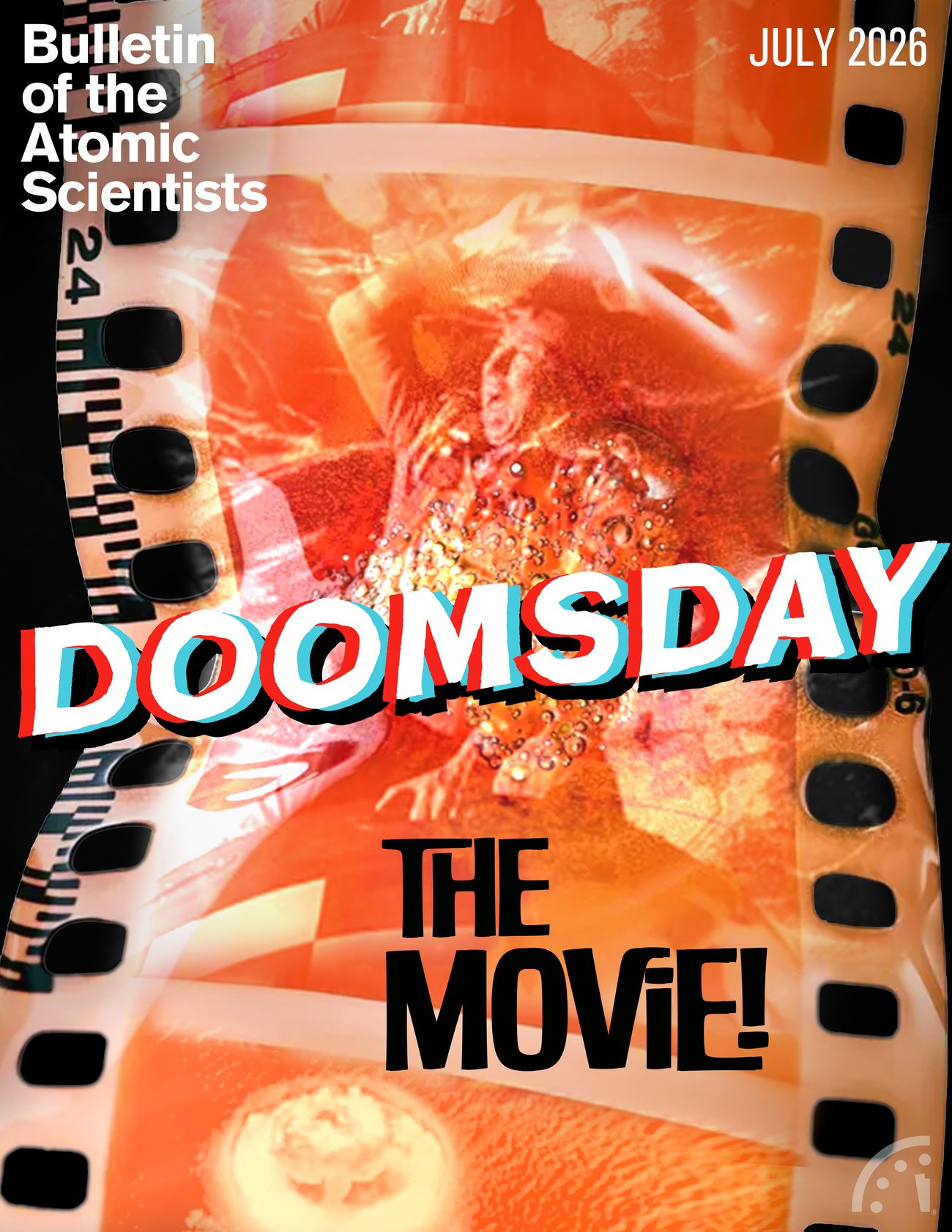
The essays in the Bulletin's July magazine, published this week, delve into whether or not movies have not been effective in bringing ethical concerns to light, raising public awareness, and inspiring public activism, writes Dan Drollette Jr. These articles go into the best (and maybe some of the worst) movies on nuclear risk, climate change, biological threats, and artificial intelligence. Read more. |
|
|
|
|
|
Mick Jackson's 1984 film Threads endures as the most devastating depiction of nuclear war in apocalyptic cinema. Its portrayal of societal collapse is unrelenting, writes Daniel W. Drezner. Threads depicts nuclear war as a catastrophe that extends far beyond the initial exchange. Its scenario of escalation from a Middle Eastern crisis has acquired renewed relevance in the 21st century. Read more. |
|
|
|
|
|
In April, despite President Trump's implicit nuclear blackmail threatening that "a whole civilization will die tonight," Tehran did not capitulate. Trump's failure shows that nuclear threats lose credibility when used against an adversary fighting for existential survival, writes Jack Kennedy. Read more. |
|
|
|
VIDEO |
|
|
|
The Bulletin sits down with three leading experts at the intersection of artificial intelligence and biosecurity to break down the most urgent risks and opportunities shaping AI and global biosecurity today, from pandemic preparedness to the role of AI in national security and biotechnology. Watch here. |
|
|